
3 Signs Your Commercial Fire Alarm System Needs an Upgrade
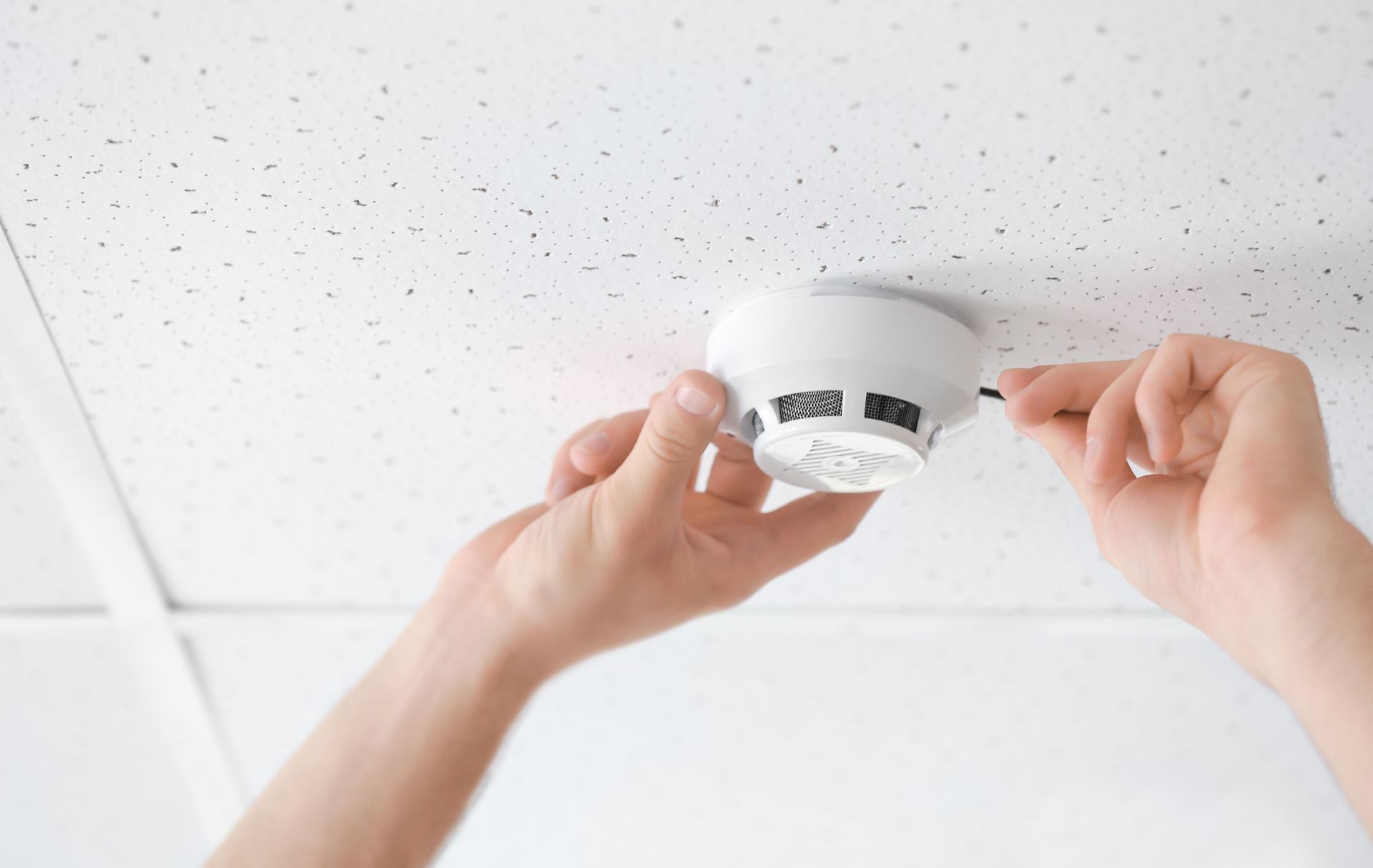
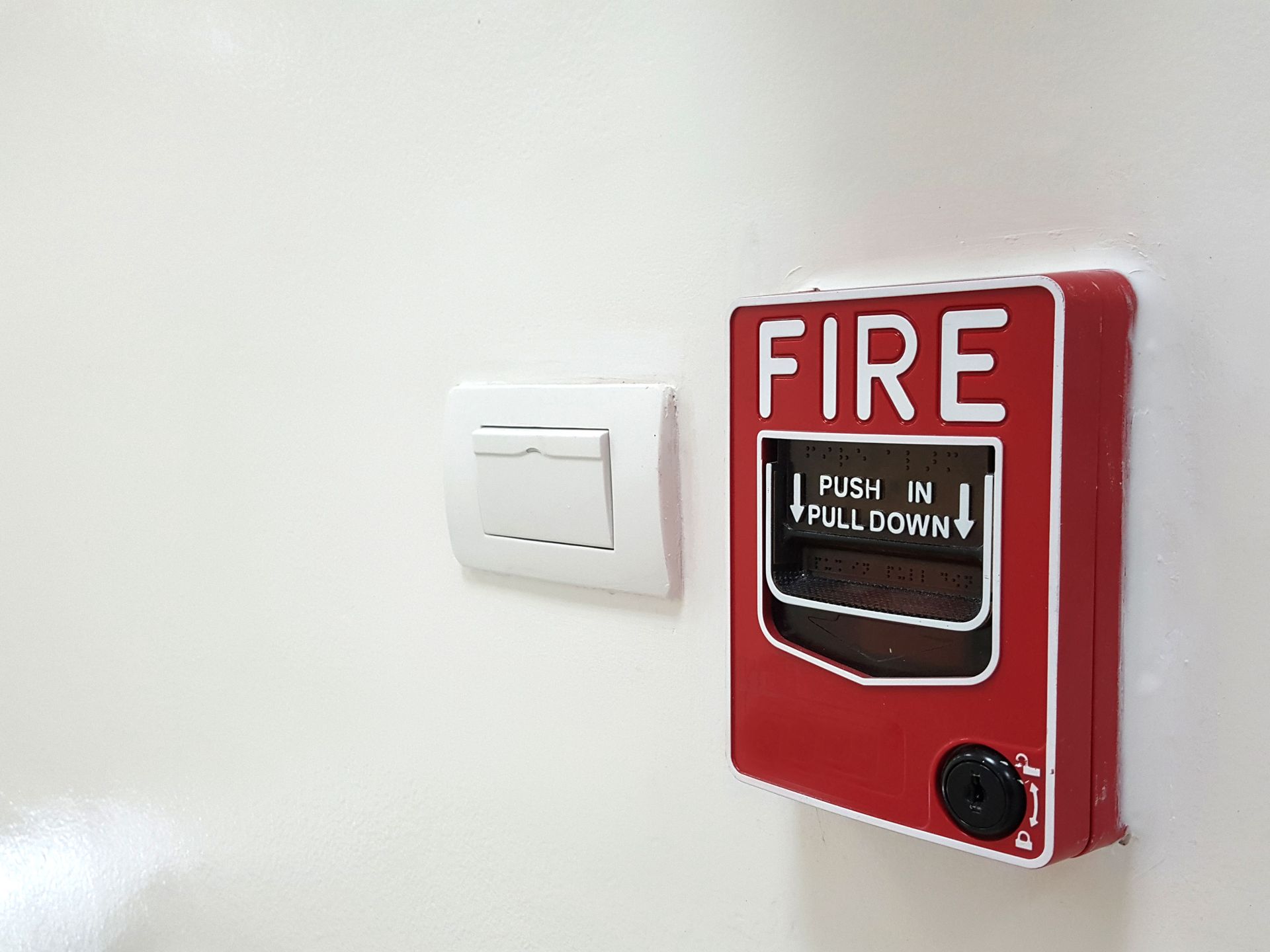
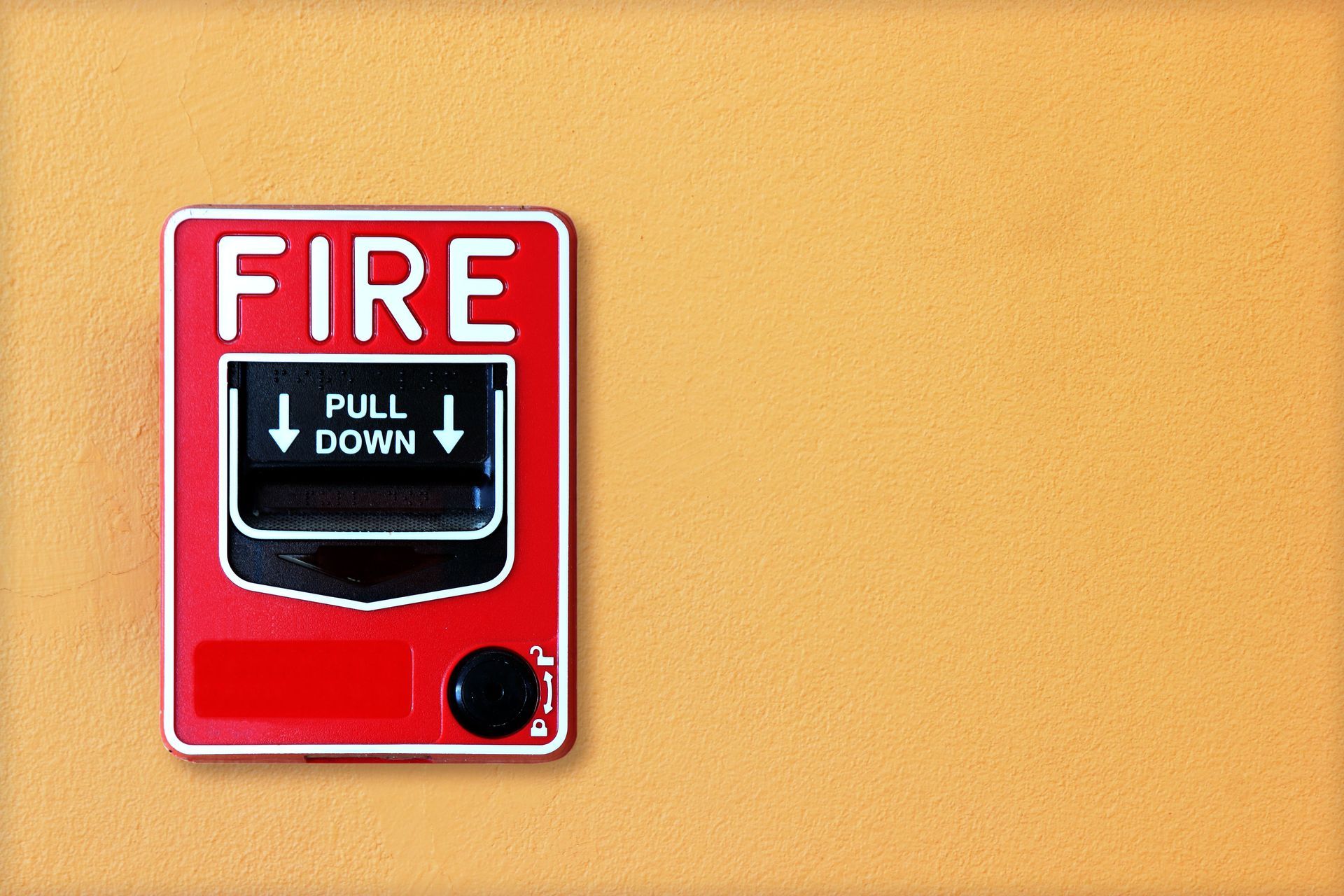
This article aims to highlight the critical signs that indicate when commercial fire alarms may require an upgrade. With advancements in fire detection technology, it's essential to ensure that your system is up-to-date to provide optimal safety and compliance with the latest standards. Fires pose a significant hazard to businesses, not only due to the immediate danger to life but also because of the substantial financial repercussions. According to SC Training, fires in stores and offices result in about $932 million in property damage each year. Ensuring that your commercial fire alarms is modern and functional is more than just regulatory compliance—it's a crucial step in protecting assets and maintaining business continuity.
1. Frequent False Alarms
Increased Operating Costs
Frequent false alarms in commercial settings can seriously impact the bottom line. Each unwarranted activation may lead to costly emergency responses and unnecessary business interruptions. When alarm teams are dispatched without genuine emergencies, the costs incurred include valuable time and resources that could be better allocated. Moreover, building occupants grow weary, diminishing trust in the system and potentially neglecting true alarms in the future. This underscores the importance of addressing the underlying causes of false alarms to curb these operational inefficiencies.
Assessing System Sensitivity
The sensitivity of commercial fire alarms can often be blamed for recurrent false alarms. Systems that are too sensitive might trigger alerts due to benign factors like steam or dust particles. Conducting a thorough assessment will reveal if recalibration can address this sensitivity issue. An overly-sensitive system may also indicate age-related degeneration, suggesting a more comprehensive upgrade might be necessary. Pinpointing this balance ensures that the system is alert yet not overly reactive.
Impact on Business Operations
Aside from financial repercussions, false alarms negatively affect daily business operations. Regular disruptions can lead to a loss of man-hours and decreased productivity levels. Employees may feel disgruntled or stressed due to constant evacuations, which may impact morale over time. Clients and visitors may form negative impressions of a business that appears to lack control over its safety protocols. Therefore, streamlining commercial fire alarms to avoid unnecessary interruptions is key to maintaining smooth and undisturbed operations.
Potential Causes
It's essential to delve into potential causes of frequent false alarms to determine suitable solutions. Changes in the environment, such as increased dust or humidity, can significantly impact system performance. Electrical issues, perhaps stemming from aging components, could also be to blame. In some cases, improper maintenance or outdated software leads to malfunction. Understanding these root causes enables businesses to implement strategic fixes, whether through maintenance or system upgrades.
Consulting with Experts
When frequent false alarms persist, seeking consultation from fire safety experts is a wise approach. Professionals can offer insights into the actual issues plaguing the system, recommending either recalibration or an upgrade. Expert evaluations often reveal less obvious problems, such as network connectivity issues or programming errors. Engaging with certified technicians ensures that any alterations maintain compliance with local fire safety standards. This proactive stance prevents future complications and enhances overall safety measures.
2. Outdated Technology
Compatibility Issues
Older commercial fire alarms often face compatibility issues when new technologies are introduced. For a system to function optimally, it must integrate easily with other advanced building management solutions. Failure to do so can result in gaps in safety coverage and communication breakdowns among different security systems. As technology evolves, relying on an antiquated system is risk-laden, compromising efficiency and protection. Thus, aligning with contemporary standards through timely upgrades is crucial.
Lack of Features
Lack of modern features is another drawback of outdated commercial fire alarms. Newer systems offer enhancements like remote monitoring, real-time analytics, and centralized control interfaces, which older models simply can't match. These advanced features offer significant advantages in terms of early detection and rapid response. Without these capabilities, businesses might find themselves at a competitive and safety disadvantage. Therefore, exploring and investing in modernized systems can bolster overall security and operational management.
Compliance with Current Standards
Safety regulations evolve regularly, and outdated fire alarms might not meet these current standards. Failing to comply can not only jeopardize safety but also involve legal ramifications and fines. An assessment of the system by professionals will reveal if the existing setup aligns with new codes and mandates. Upgrading ensures that systems not only pass inspections but provide the highest level of protection. This compliance is pivotal in safeguarding both lives and business continuity.
Decreased Reliability
Decreased reliability is a significant concern with aging commercial fire alarms. As components deteriorate due to wear and tear, the likelihood of malfunction or poor performance increases. Unreliable alarms also disrupt tenant and employee confidence, as flawed systems might delay or fail to respond in emergencies. A robust and current system minimizes these risks, ensuring that alerts trigger efficiently and accurately. Regular updates and maintenance are essential to maintain the integrity and reliability of fire safety mechanisms.
Cost Implications
The financial implications of maintaining an outdated commercial fire alarms are considerable. Continuous repairs can quickly become burdensome, diverting funds from other vital operations. Comparatively, investing in a system upgrade may appear costly upfront but proves more economical over time by eliminating frequent maintenance needs. Moreover, improved efficiency and reduced false alarms offer no small benefits to the budget. Businesses must weigh the short-term savings of delaying an upgrade against the long-term financial and safety gains.
3. Frequent Maintenance Needs
Escalating Repair Costs
Frequent maintenance issues can often signal that commercial fire alarms need an upgrade. Persistent repairs demand significant financial resources and personnel commitment, diverting attention from core business objectives. As components age, their likelihood of failure increases, contributing to escalating repair costs over time. Higher repair frequencies might indicate that replacement parts are becoming scarce or obsolete. Given these circumstances, investing in new system infrastructure is a more prudent fiscal strategy.
Inconvenience and Downtime
Routine maintenance not only strains budgets but also disrupts business operations. Scheduled inspections and unscheduled repairs may involve temporary delays or complete halts in service, affecting productivity. Staff fatigue sets in quickly when operations are constantly compromised by unscheduled interruptions. These challenges not only divert internal resources but can also lead to missed opportunities or client dissatisfaction. Thus, transitioning to a system that requires less maintenance is both a practical and tactical business decision.
Equipment Lifespan
The typical lifespan of fire alarm components helps businesses anticipate when upgrades are necessary. Most systems have an operational span of about 10 to 15 years, beyond which performance diminishes. Beyond their lifespan, components such as sensors or control units become less responsive and more prone to failure. Keeping track of equipment age alongside performance metrics enables preemptive upgrades rather than reactive fixes. Proactive replacement strategies thus assure continual, effective fire protection.
Signs of Wear and Tear
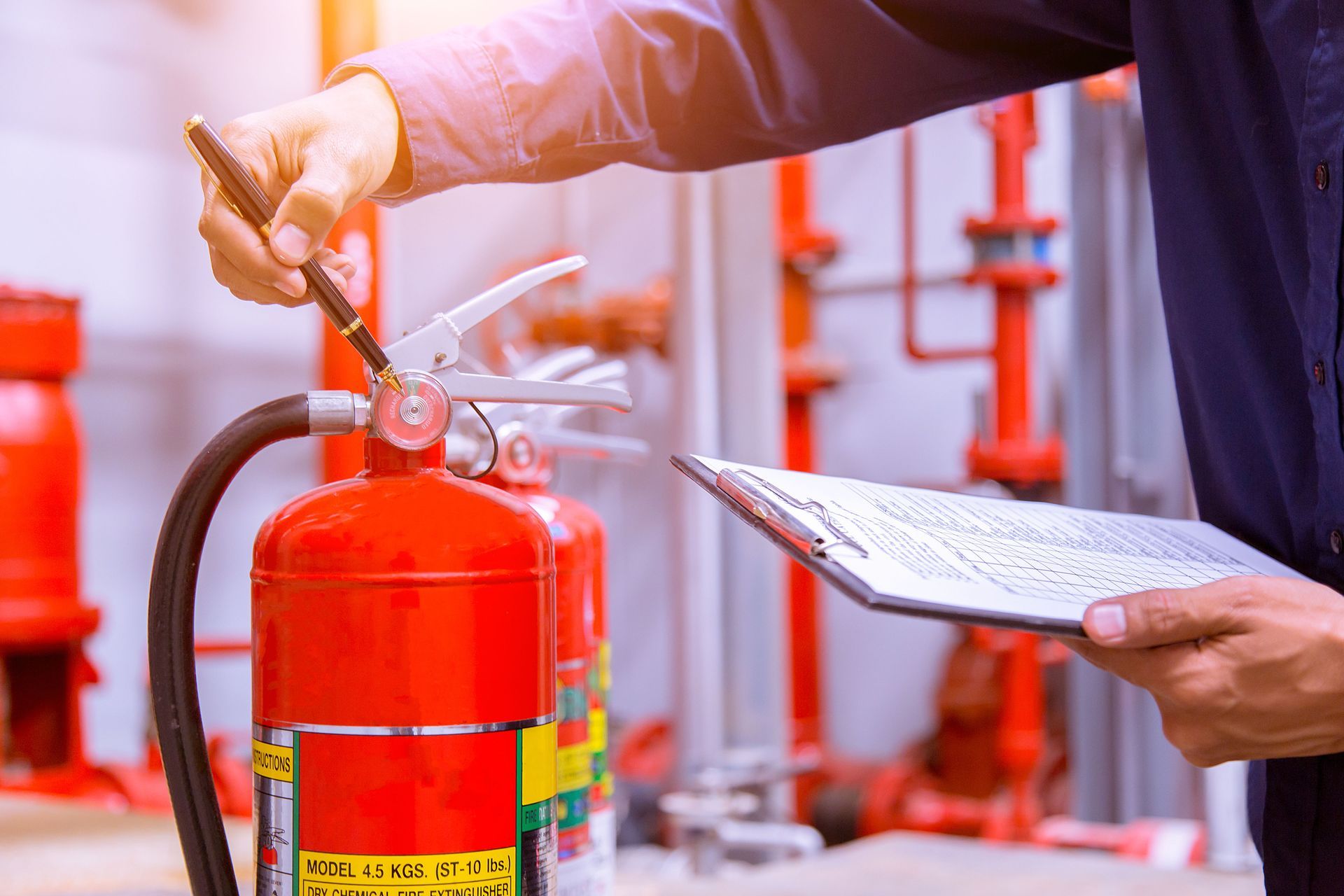
Physical signs of degradation, like corrosion or damage, often signify the need for a system upgrade. Components affected by environmental conditions or manufacturing shortcomings may demonstrate visible deterioration. Visual inspections can uncover corroded wiring, degraded housings, or compromised sensors. Ignoring such signs jeopardizes system integrity and effective fire detection. Therefore, addressing signs of wear is critical in maintaining efficient fire safety infrastructure.
Upgrading a commercial fire alarm system is a critical step towards ensuring comprehensive safety and compliance. Regular evaluations and upgrades not only minimize risks but also enhance operational efficiency and reduce long-term costs. In light of growing facility demands and evolving technology, businesses should proactively address any of these signs to secure their premises and protect their investments. By staying ahead of potential issues, and ensuring systems are up-to-date, businesses safeguard their assets against common and preventable threats. Ultimately, a modern, reliable fire alarm system acts as a cornerstone of operational success and resilience. If you're looking for commercial fire alarms, contact Montalvo Palumbo Fire & Electrical Services today.
Share On: