
Is Your Fire Protection Up to Code? A 2026 Checklist
Fire safety is a crucial aspect of protecting lives and property. According to SafeHome.org, American firefighters respond to fire calls approximately every 24 seconds, underscoring the ongoing need for robust and adaptive fire safety measures from fire protection services. To stay safe and compliant with fire codes, it's wise to create a checklist. Let's take a closer look at what you should consider for your fire safety systems.
Take Inventory of Existing Equipment
A thorough inventory of existing fire protection equipment is essential to assess the current effectiveness of your fire safety system. Begin by cataloging fire alarms, detectors, extinguishers, sprinklers, and other related items. Include pertinent details such as installation dates, last maintenance checks, and any manufacturer specifications. This inventory can act as a foundational tool for identifying outdated or non-compliant components. Regular updates by fire protection services to this inventory can facilitate quick decision-making in case of system upgrades or audits.
During the inventory process, it's crucial to evaluate each piece of equipment's operational status. Performing operational tests ensures that all components function as intended, catching any malfunctions that might not be immediately apparent. If any equipment is found to be faulty or outdated, it's imperative to address these issues without delay. Equipment that fails to meet modern standards should be replaced or repaired as necessary to ensure compliance. An up-to-date and fully functioning equipment list is a cornerstone of any robust fire protection approach.
Conduct Regular Maintenance and Inspections
Conducting regular maintenance and inspections of fire protection systems is paramount to ensuring safety and compliance. Routine maintenance keeps systems functioning efficiently, reducing the risk of failures that could be catastrophic during a fire event. Inspections should be carried out by qualified professionals capable of identifying subtle issues and flaws that untrained personnel might overlook. This preventative approach not only sustains equipment longevity but also fortifies defenses against fire threats. Building owners must prioritize these inspections as a non-negotiable aspect of their safety strategy.
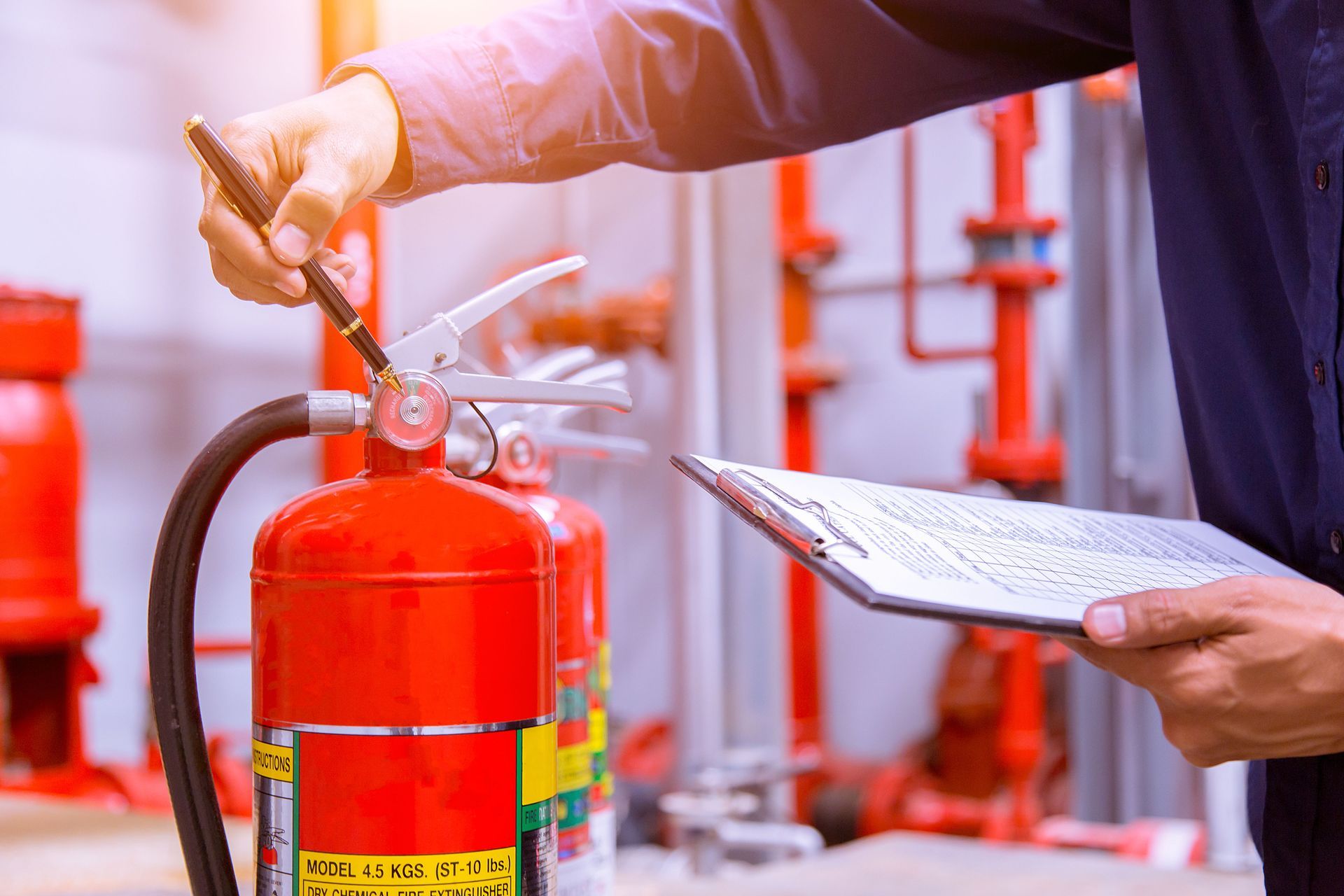
Regular inspections typically include visual checks for visible wear and tear, pressure tests of sprinkler systems, and operational testing of alarms and detectors. Documentation of these activities is critical for regulatory compliance and provides an invaluable reference in case of disputes or legal inquiries. Similarly, ensuring that all staff and stakeholders are informed about upcoming inspections helps avoid disruptions and ensures preparedness. Ultimately, adhering to a maintenance schedule significantly enhances the reliability of a fire protection system when it matters most. The peace of mind brought by consistent system checks is well worth the investment.
Identify Common Deficiencies
Identifying common deficiencies in fire protection systems requires a keen understanding of both code requirements and specific structural vulnerabilities. Among the most frequently encountered issues are poorly maintained equipment and inadequate installation, both of which can significantly compromise safety. Other deficiencies often include insufficient coverage in alarm systems and fire suppression setups. Addressing these deficiencies with fire protection services necessitates a comprehensive approach, combining both regular inspections with a commitment to ongoing system improvements.
In many cases, common deficiencies stem from a lack of awareness or understanding of updated fire codes. As fire codes evolve, systems that were once compliant might fall short of new standards, underscoring the importance of continual education for all stakeholders. Another prevalent oversight is the use of incompatible or outdated equipment, typically resulting from extended intervals between system reviews. The integration of new technologies often highlights these deficiencies, offering opportunities for modernized upgrades. Thus, being proactive in updating systems helps eliminate gaps in compliance and safety.
Technological advancements have provided new tools for detecting deficiencies in fire protection systems. Advanced diagnostic software can scan an entire system, identifying problems that may not be visible during regular maintenance checks. These tools provide automation and analytical insights, aiding stakeholders in making informed decisions about necessary adjustments. By leveraging these technological resources, facilities can efficiently remedy deficiencies and elevate their fire protection standards. It's a vital step towards ensuring a safe and compliant environment.
Check Compliance With Current Codes
Staying compliant with current fire protection codes ensures safety and avoids costly penalties and liabilities. Compliance involves aligning your fire protection systems with the latest standards and regulatory requirements specific to your region. This often includes adopting new technologies, reviewing building layouts, and updating emergency plans to meet modern safety demands. Regular consultations with fire protection services and legal advisors can offer guidance on maintaining compliance amidst changing regulations. Compliance is not just a checklist but an integral practice that forms the backbone of a robust safety culture.
Achieving compliance requires an understanding of current fire code specifics relevant to your jurisdiction, which often encompasses a mix of federal, state, and local regulations. Each set of standards may require distinct considerations, particularly in complex environments such as industrial or multi-use buildings. Familiarity with these rules is crucial, as non-compliance incurs both legal ramifications and endangers occupant safety. As such, routine audits conducted by certified inspectors are invaluable for verifying compliance and highlighting areas needing attention. Regular review and adjustment of safety policies support compliant operations.
Maintaining compliance also involves educating employees and tenants regarding fire safety protocols and reinforcing the importance of following prescribed procedures. Training programs and informational sessions can keep everyone updated with evolving standards and foster a culture of collective responsibility toward fire safety. Additionally, embracing technological tools like compliance management software can simplify documentation and streamline inspections. By incorporating these supportive measures, buildings can continue to meet and exceed compliance expectations, ensuring safety for all.
Utilize Technology for Assessments
Technology has become an indispensable tool in conducting comprehensive fire protection system assessments. Utilizing advanced diagnostic software allows for detailed analyses of a building's fire safety infrastructure, highlighting potential vulnerabilities and areas for improvement. These technological solutions can conduct non-invasive inspections, providing clear insights without disrupting daily operations. Engineered with capabilities for trend analysis and predictive diagnostics, such tools offer a proactive way to enhance fire safety systems. When combined with traditional inspection methods, technology equips safety managers with a more complete picture of system performance.
Incorporating IoT sensors and smart detectors into a building's fire infrastructure provides live data and immediate alerts for any anomalies. These systems enable real-time monitoring and instant communication with emergency services if necessary. The data collected from smart systems can help refine emergency response plans and verify system integrity continuously. Furthermore, it's crucial that the integration of technology aligns with compliance regulations to ensure its legitimacy and efficiency in fire safety. The symbiotic relationship between human oversight and technology can transform fire protection operations for the better.
Software applications focusing on fire safety can streamline management tasks by automating documentation, scheduling maintenance, and tracking compliance effortlessly. Simplified access to comprehensive reports ensures quick responses to inspections and regulatory reviews. Moreover, visual modeling technologies offer simulations that predict fire spread scenarios, allowing stakeholders to preemptively address potential threats. By embracing such innovations, you can foster a cutting-edge approach to fire safety. Keeping pace with technological developments is key to maintaining an effective and forward-thinking fire protection system.
A strong fire safety strategy doesn't stop after installation. It requires ongoing attention, regular inspections, updated equipment, and a commitment to meeting current safety codes. By creating a detailed checklist and working with experienced fire protection services like Montvalo Palumbo Fire & Electrical Services, you can reduce risks, improve response times, and help protect both occupants and assets. Reach out to us today to get started!
Share On: