5 Fire Protection Gaps Most Companies Overlook
The pursuit of workplace safety is a marathon rather than a sprint, requiring constant vigilance and a proactive mindset. Many organizations mistakenly believe that having a few extinguishers on the walls and a basic alarm system constitutes a complete safety strategy. However, the reality of modern industrial and commercial environments is far more complex. Overlooking subtle vulnerabilities can lead to catastrophic consequences that affect not only physical assets but also the lives of employees and the long term viability of the company. A truly resilient organization recognizes that safety protocols must evolve alongside its operations. Here are just some of the biggest factors that companies often overlook, and how you can use this information to protect your business and the people inside of it.
1. Evaluating Comprehensive Risk Profiles
The foundation of any safety strategy is a thorough understanding of the specific threats a facility faces. Many companies treat risk assessments as a one-time administrative hurdle rather than a living document. When these assessments are superficial, they fail to account for the unique layout of a building or the specific materials stored within it. A robust evaluation must look beyond the obvious. Businesses often overlook non-traditional fire hazards, like electrical sources, which according to OSHA, account for 22% of workplace fires in standard office settings. By failing to identify these hidden triggers, an organization leaves itself vulnerable to incidents that could have been easily prevented.
A high quality assessment involves a multi-layered analysis of every square foot of the facility. It requires looking at how fire might spread through ventilation systems, identifying where flammable materials are stored in relation to heat sources, and considering how the presence of people impacts evacuation times. This process should be repeated whenever there is a significant change in the building layout or business operations. New machinery, a shift in staffing levels, or even a renovation can completely change the risk profile of a room. Keeping these evaluations current ensures that the strategies in place are always relevant to the current state of the workspace.
2. Enhancing Modern Suppression Capabilities
Once risks are identified, the next step is ensuring that the systems designed to stop a fire are up to the task. Fire protection involves a variety of technologies, from standard water sprinklers to sophisticated gaseous suppression systems designed for sensitive environments like server rooms or laboratories. A common gap is the use of a one size fits all approach. Using water on a fire involving sensitive electronics or certain chemicals can actually worsen the situation or cause unnecessary property damage. Selecting the right agent for the specific hazard is a technical requirement that requires careful planning and professional insight.
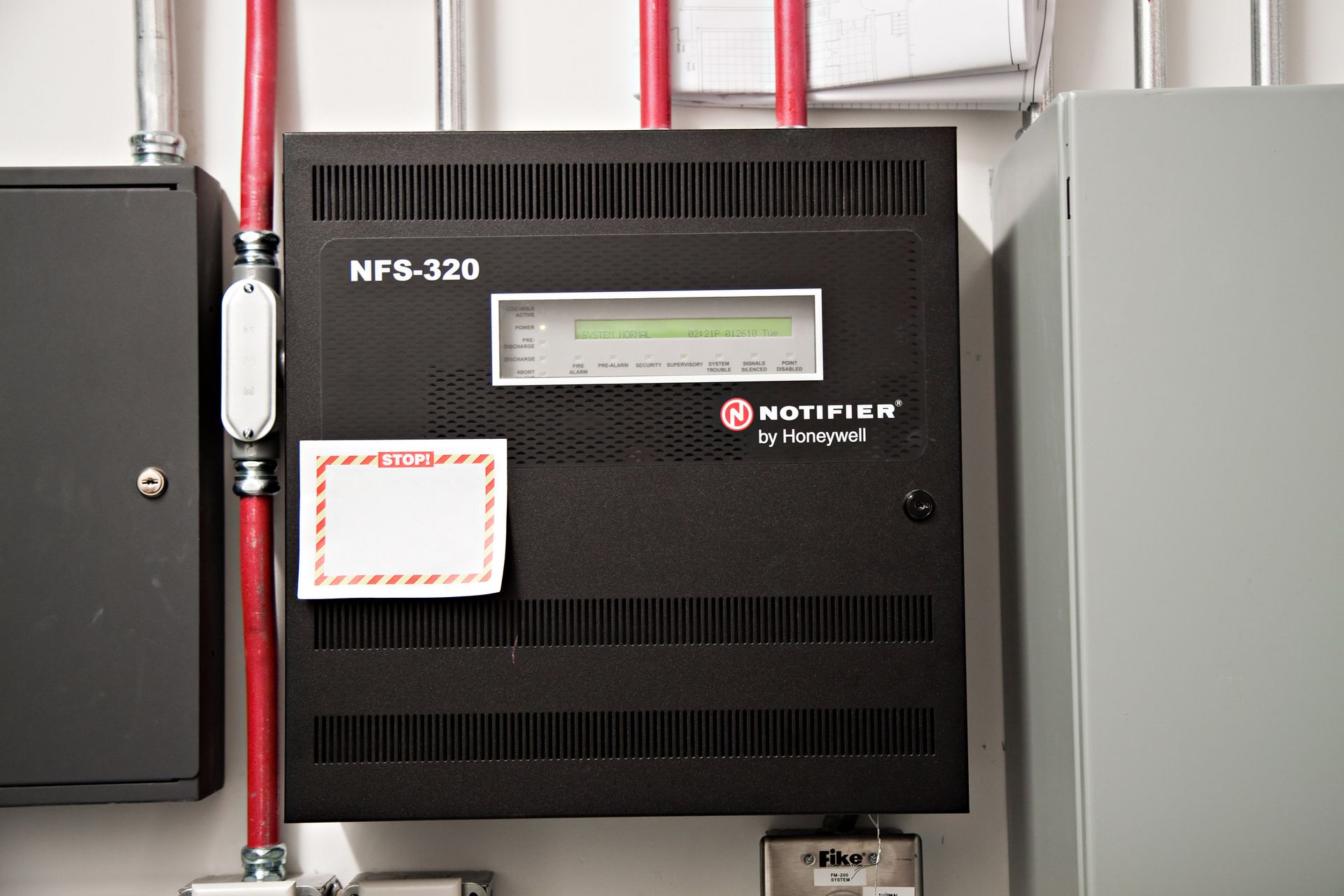
The effectiveness of these systems also hinges on their automated nature. In the high stress environment of an emergency, human reaction times can be slow or unpredictable. Automated systems provide a frontline defense that operates the moment a threat is detected. However, even the most advanced system is only as good as its last inspection. Issues such as corroded pipes, clogged nozzles, or outdated control panels can render a system useless when it is needed most. Ensuring that suppression technology is modern, appropriately matched to the hazard, and fully operational is a non-negotiable aspect of professional safety management.
3. Cultivating Dedicated Safety Cultures
Technology and planning are essential, but the human element is often where the most significant gaps occur. Employee awareness is a vital component of fire protection that many companies fail to nourish. It is not enough to hand out a handbook during orientation and expect staff to remember the details three years later. Training must be an ongoing, interactive process that builds confidence and muscle memory. When employees understand the "why" behind safety protocols, they are much more likely to follow them and identify hazards before they become emergencies.
Building a culture of safety means moving beyond simple compliance. It involves encouraging staff to report blocked exits, frayed wires, or improperly stored materials without fear of reprisal. Regular drills should be treated as serious exercises rather than inconveniences. These drills provide a chance to identify bottlenecks in evacuation routes and ensure that everyone knows their specific role during an alarm. A workforce that is engaged and alert acts as a massive network of sensors, providing an extra layer of defense that no machine can fully replicate. When safety becomes a shared value, the entire organization becomes more resilient.
4. Addressing Specialized Industrial Hazards
Certain environments present risks that fall outside the scope of standard fire safety protocols. Laboratories, manufacturing plants, and commercial kitchens deal with high temperatures, volatile chemicals, and specialized machinery that require a different level of attention. These special hazards often require localized suppression units or enhanced ventilation systems to prevent the buildup of flammable vapors. Ignoring these specific requirements is a frequent mistake that can lead to rapid, uncontrollable fires.
Managing these risks requires a deep dive into the specific standards and regulations that govern different industries. For instance, the way a company stores large quantities of lithium batteries must be fundamentally different from how it stores paper archives. Specialized training is also necessary for staff who work directly with these hazards. They need to know not just how to exit the building, but how to safely shut down dangerous equipment or contain a small spill before it ignites. By dedicating resources to these high risk areas, a company can prevent a localized incident from turning into a total loss.
5. Maintaining Critical Protection Hardware
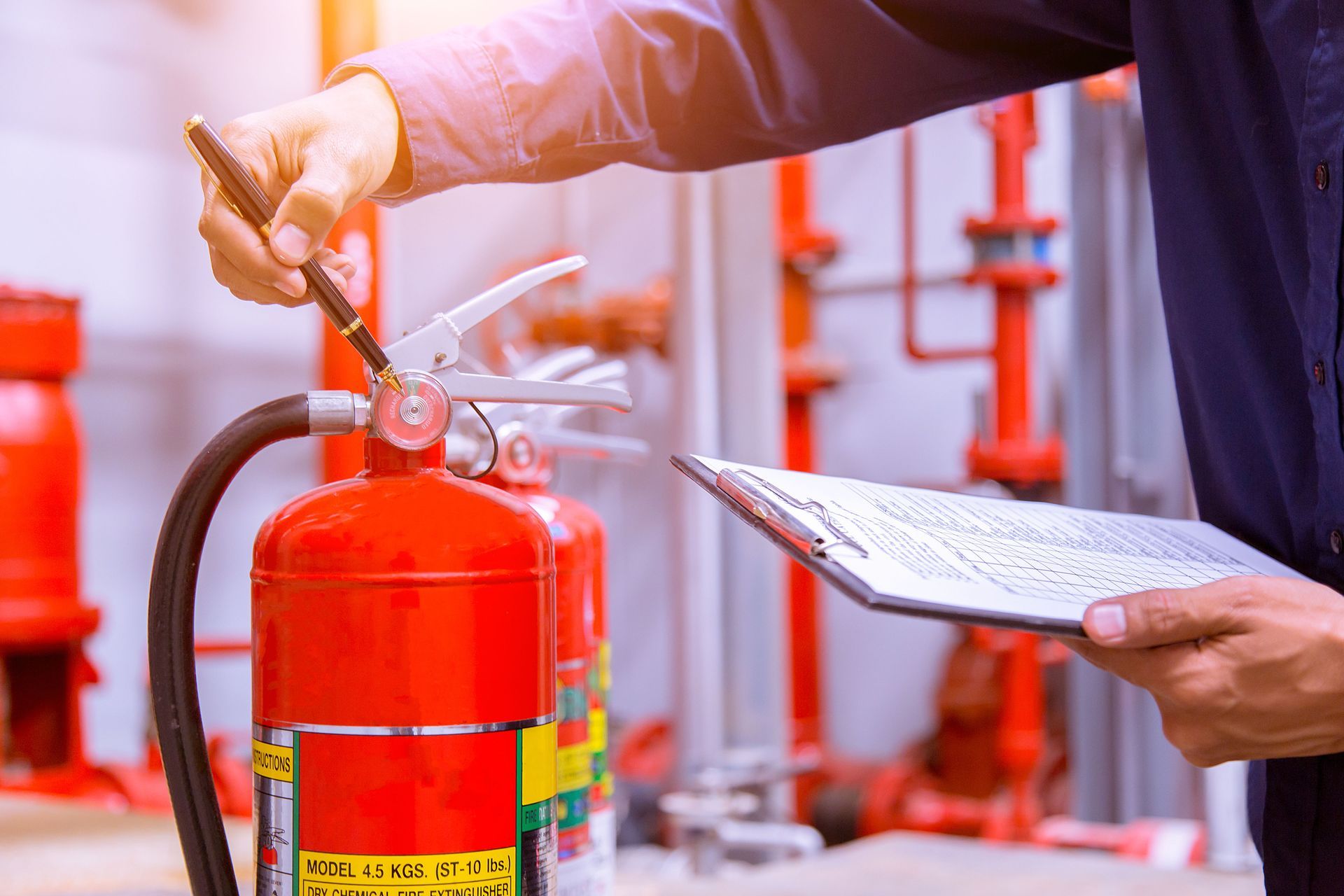
The final and perhaps most common gap is the failure to properly maintain hardware over long periods. Fire extinguishers, smoke detectors, and emergency lighting are often "installed and forgotten." Over time, batteries die, pressure gauges drop, and sensors become covered in dust. Regular maintenance is the only way to guarantee that this equipment will perform under pressure. A structured maintenance schedule should include monthly visual inspections and more rigorous annual testing conducted by qualified professionals who understand the technical nuances of the hardware.
Documentation plays a starring role in this process. Keeping detailed logs of every inspection, repair, and test provides a paper trail that is essential for both regulatory compliance and internal accountability. If an incident does occur, having proof that all systems were maintained to the highest standards can be a significant factor in insurance claims and legal proceedings. Moreover, a consistent maintenance history helps managers predict when equipment is nearing the end of its functional life, allowing for planned upgrades rather than emergency replacements. Consistent care of fire protection assets is a fundamental responsibility that safeguards the entire business infrastructure.
The journey toward a truly safe workplace is paved with attention to detail and a commitment to excellence. By closing the gaps in risk assessment, suppression technology, employee training, specialized hazard management, and equipment maintenance, a company can move from a state of vulnerability to a state of readiness. Fire protection is not merely a box to be checked for the fire marshal; it is a core business function that protects the most valuable assets an organization possesses.
As you evaluate your own facility, remember that the most dangerous hazard is the one you have chosen to ignore. Ensuring that your systems are robust and your people are prepared is the best investment you can make in the future of your company. For professional guidance and comprehensive solutions to secure your facility, reach out to the experts at Montalvo Palumbo Fire & Electrical Services to ensure your
fire protection strategy is second to none.
Share On: