
Key Features to Look for in a Commercial Fire Alarm System
Fire safety is a critical priority for businesses of all sizes. Commercial buildings often house employees, customers, equipment, and valuable assets, making fire protection systems an essential part of responsible facility management. One of the most important components of a building's fire protection strategy is the fire alarm system, which provides early detection, clear warnings, and coordinated responses during emergencies. Without a reliable system in place, fires can escalate quickly and cause severe damage or safety risks.
A properly designed system does far more than sound an alarm. Modern systems incorporate advanced detection technology, integrated building communication, and real-time monitoring to improve emergency response and evacuation procedures. Businesses planning commercial fire alarm installation must carefully consider which features their systems should include to meet safety standards and operational needs. By understanding the key capabilities of modern fire alarm systems, property owners and facility managers can make informed decisions that strengthen building safety and compliance.
Comprehensive Detection Capabilities
One of the most essential features of any commercial fire alarm system is the ability to detect fires quickly and accurately. Early detection provides occupants with valuable time to evacuate and allows emergency responders to act before a fire spreads throughout the building. Detection devices such as smoke detectors, heat sensors, and carbon monoxide monitors work together to identify environmental changes that may signal a fire hazard. These devices monitor the surrounding air and temperature conditions continuously, helping identify threats at the earliest possible stage.
Modern fire alarm systems often include multi-sensor detection technology. These detectors combine several sensing elements—such as smoke, temperature, and gas detection—to analyze conditions more accurately and determine whether an alarm should be triggered. By monitoring multiple environmental factors simultaneously, these systems can distinguish between actual fire threats and harmless environmental changes. This capability helps reduce unnecessary alarms that can disrupt daily operations while still maintaining reliable safety protection.
Reliable detection is particularly important in environments where high-risk activities occur. According to OSHA, hot work activities such as welding, cutting, and brazing account for 34% of workplace fires across all industries. This statistic highlights why advanced detection technology is an important part of commercial fire alarm installation, as it helps identify potential fire hazards quickly and supports faster emergency response in environments where ignition risks may be present.
Clear and Reliable Alarm Notifications
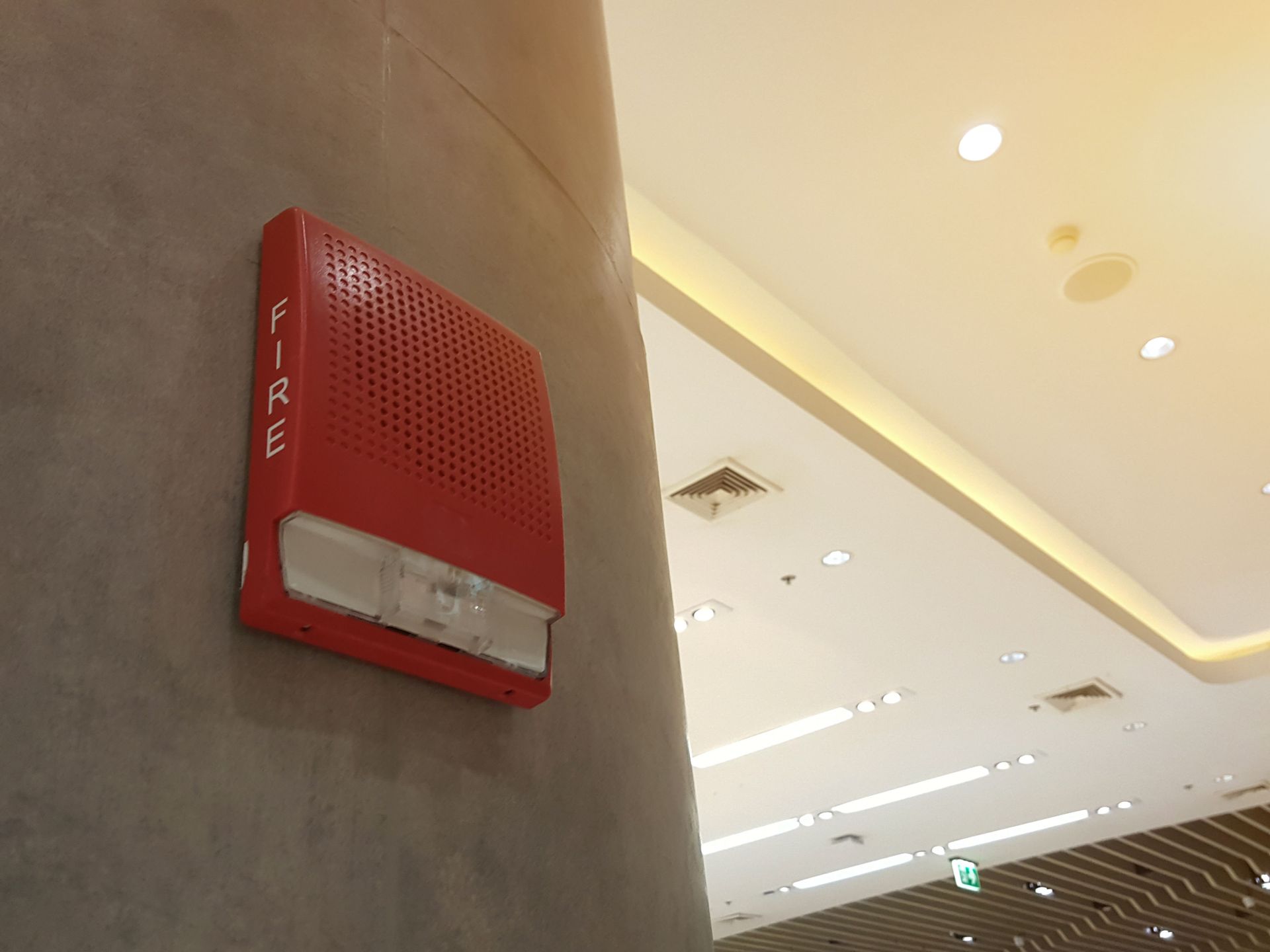
Once a fire or hazardous condition is detected, the system must quickly alert occupants allowing them to respond quickly. Reliable notification systems help ensure everyone inside the building is aware of the emergency and can evacuate safely. Audible alarms remain one of the most recognizable alert methods, using loud tones or sirens designed to capture attention immediately. These alarms are specifically engineered to be heard across large commercial spaces, including offices, warehouses, and retail environments.
Visual alarms are equally important in many commercial environments. Strobe lights and other visual indicators provide alerts for individuals who may have hearing impairments or who work in loud industrial settings where audible alarms may be difficult to hear. Strategic placement of visual alarms helps ensure they remain visible throughout hallways, work areas, and large open spaces. By combining both audible and visual alerts, businesses create a more comprehensive warning system that reaches occupants regardless of environmental conditions.
Many systems also include voice evacuation capabilities. Instead of relying solely on sirens, voice notification systems deliver spoken instructions that guide occupants toward safe exits and provide additional information about the emergency. Businesses planning commercial fire alarm installation often prioritize these systems because they help reduce confusion during emergencies and offer clear instructions that support organized evacuations.
Integration With Building Safety Systems
Modern commercial buildings often rely on interconnected safety systems that work together during emergencies. Fire alarm systems can be integrated with other building components such as HVAC systems, access control systems, elevators, and sprinkler systems. This integration allows multiple safety mechanisms to activate simultaneously when a fire is detected, creating a coordinated response that improves overall safety.
For example, integration with HVAC systems can help control airflow during a fire by shutting down ventilation or adjusting air circulation to limit the spread of smoke. Controlling airflow is particularly important in large buildings where smoke can quickly move through ventilation ducts and corridors. By limiting this movement, integrated systems help maintain clearer evacuation routes and improve conditions for emergency responders.
Fire alarm systems can also communicate with sprinkler systems to activate water suppression immediately when certain conditions are detected. In addition, access control systems may automatically unlock exit doors to allow faster evacuation. Businesses investing in commercial fire alarm installation frequently choose integrated systems because they create a more coordinated emergency response that protects occupants, supports evacuation procedures, and reduces property damage.
Remote Monitoring and Real-Time Alerts
Another important feature of modern fire alarm systems is remote monitoring capability. Monitoring technology allows system activity to be observed continuously by security personnel or professional monitoring centers. When a fire alarm activates, the monitoring system can notify designated contacts or emergency services immediately, helping reduce response time during critical situations.
Remote monitoring helps businesses respond more quickly to potential hazards, especially during hours when buildings may be unoccupied or operating with limited staff. Facility managers and security teams can receive alerts through digital dashboards, mobile notifications, or monitoring software that provides real-time updates about system activity. This visibility allows personnel to verify alarms, assess the situation, and initiate emergency procedures without delay.
Compliance With Fire Safety Regulations
Fire alarm systems must meet strict safety regulations and industry standards designed to protect building occupants and support emergency response efforts. These regulations establish minimum requirements for fire detection equipment, alarm notification systems, and system reliability. Compliance with these standards is a critical consideration when planning fire alarm installations in commercial properties.
Businesses planning commercial fire alarm installation often work with qualified professionals who understand local building codes and regulatory requirements. These professionals help design systems that meet compliance standards while also addressing the specific needs of the building. Maintaining compliance not only supports occupant safety but also helps businesses avoid fines, insurance complications, and operational disruptions.
User-Friendly Operation and Maintenance
Even the most advanced fire alarm system must be easy for staff to operate and maintain. Control panels with intuitive interfaces help to build managers monitor system activity, review alerts, and manage alarms efficiently during emergencies. Clear displays and simplified navigation reduce confusion and support faster decision-making when quick action is required.
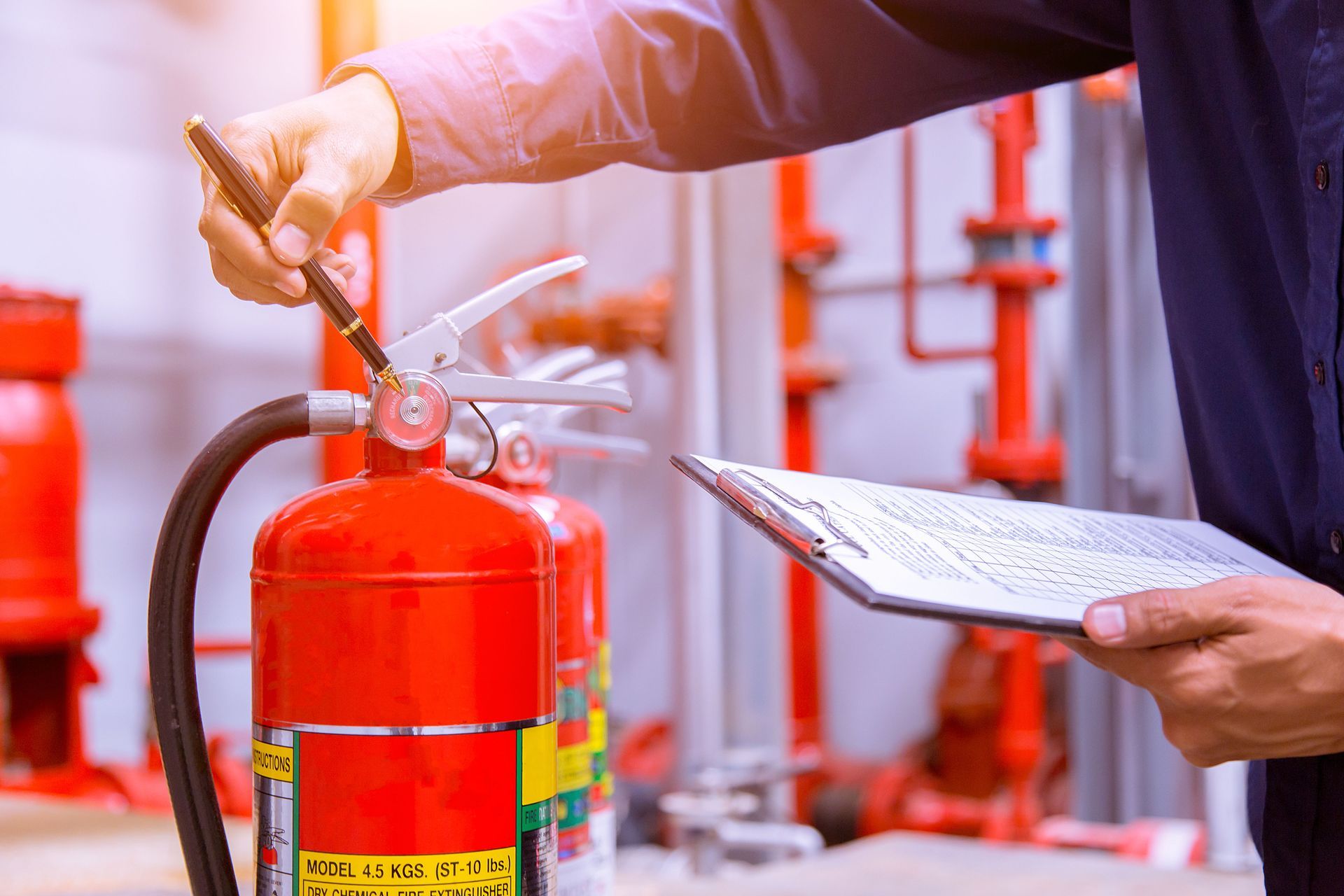
Regular testing and maintenance are also essential to keep fire alarm systems functioning properly. Systems that include automated diagnostics can monitor performance continuously and notify technicians when components require attention. These alerts help identify issues early, preventing small technical problems from developing into system failures.
A well-designed fire alarm system is a vital component of any commercial building's safety infrastructure. From advanced detection technology to integrated building systems and reliable notification methods, modern fire alarm systems provide multiple layers of protection that help safeguard occupants and property. These systems also support compliance with safety standards while improving overall emergency preparedness.
When planning
commercial fire alarm installation, businesses benefit from carefully evaluating the features that best support their building layout, operational risks, and long-term safety goals. Working with experienced professionals can help identify the most effective system design for a particular facility. By investing in a comprehensive fire alarm system with the right capabilities, organizations can strengthen fire safety measures and protect their people and property for years to come. Contact Montalvo Palumbo Fire & Electrical Services today.
Share On: